Direct market
Companies solving the same problem
The closest competitors are the obvious starting point, but they should establish the benchmark rather than define the whole search.
Recruitment sourcing strategy
A strong sourcing strategy turns one hiring brief into a clear evidence standard, a set of target markets and the right channels for reaching them. It stops the search from shrinking to the first familiar company list.
Market before profiles
A researched view of where the brief could fit
Build the search field
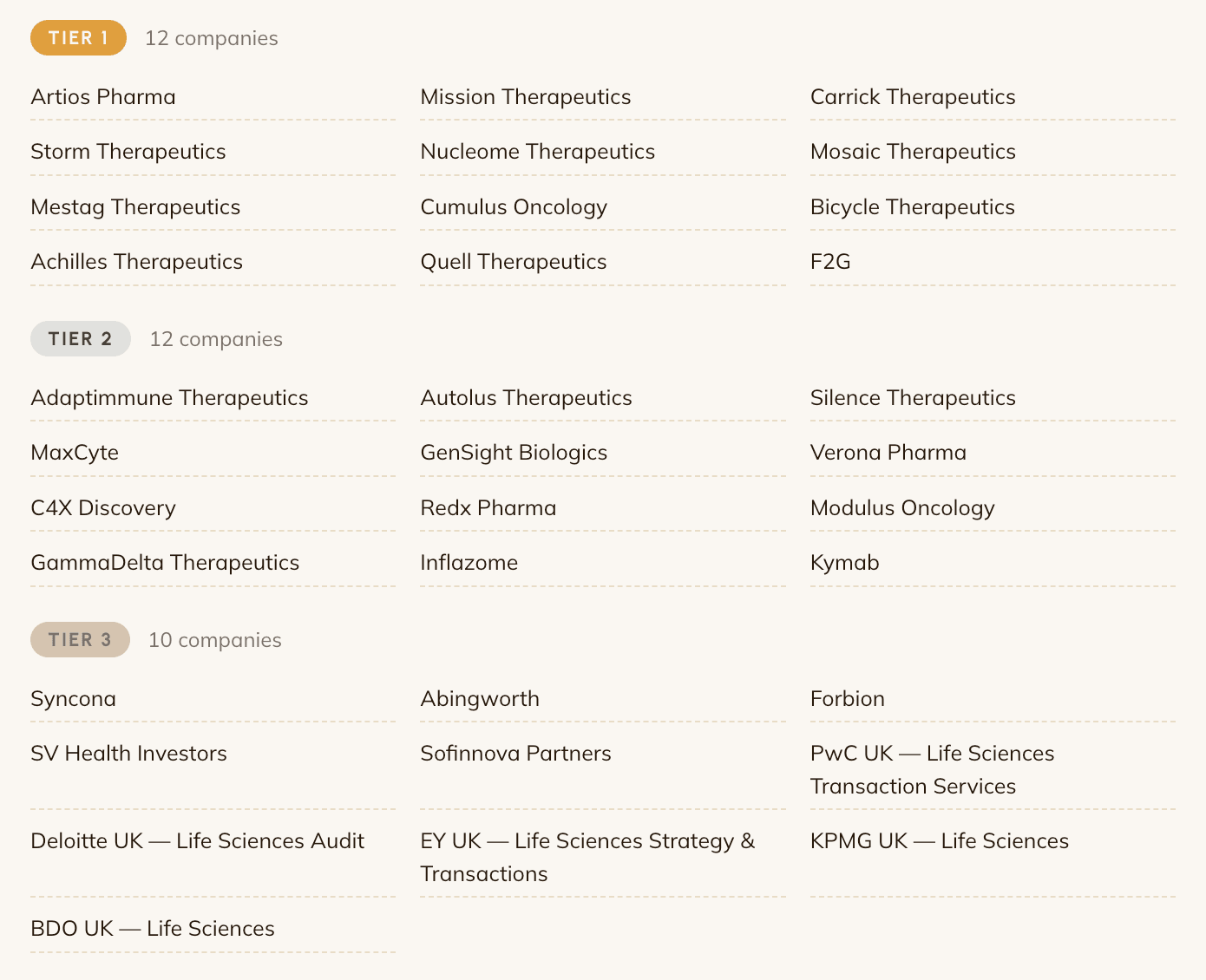
Good sourcing begins with a hypothesis about where the required evidence may exist. The market map tests that hypothesis before the team commits to outreach.
See the market-mapping methodDirect market
The closest competitors are the obvious starting point, but they should establish the benchmark rather than define the whole search.
Adjacent market
Look for sectors with similar customers, sales motion, technical depth or operating pace, even when the category label is different.
Transferable market
Career histories can reveal people who have already crossed from an adjacent environment into one like yours.
Channel choice
A channel is useful only when it reaches the people the brief needs. Pick it after defining the market, then check the quality of what it surfaces.
Defined external markets where target companies and career evidence can be investigated systematically.
Specialist fields where trusted context or less visible career paths matter alongside profile evidence.
Hard briefs where the team needs broader market coverage without adding internal sourcing capacity.
A practical sequence
Separate the must-have career evidence from signals that are useful but negotiable. This prevents attractive profiles from quietly changing the brief.
Start with direct competitors, then name adjacent sectors and transferable backgrounds that could produce the same capability.
Use direct research where people can be identified systematically. Add referrals, communities or search partners where the market is less visible.
Check the emerging pool against the brief. Expand, narrow or recalibrate while the work is still research, not after candidate conversations begin.
Questions before you search
A recruitment sourcing strategy is the plan for where suitable candidates may be found, which evidence matters and which channels should be used. It comes before profile searching and outreach.
The strategy sets the search direction and channel choices. The market map is the researched view of companies, sectors and talent pools that helps test and refine those choices.
Use channels that match how the target people can credibly be identified and reached. Direct research works well for defined external markets, while referrals and specialist communities can surface less visible candidates.
Revisit it when the evidence shows the target pool is too narrow, the role criteria are excluding plausible adjacencies or a channel repeatedly produces weak fits.
Yes. Cruvo turns the brief into pass, fail and weighted criteria, researches direct and adjacent markets, and delivers a reviewed long-list. Your team keeps control of outreach and hiring decisions.
Send the job description or the notes you already have. Cruvo will structure the evidence, research the market and return a reviewed long-list for your team.
Send the briefNo self-serve signup is required.